

16 April 2024
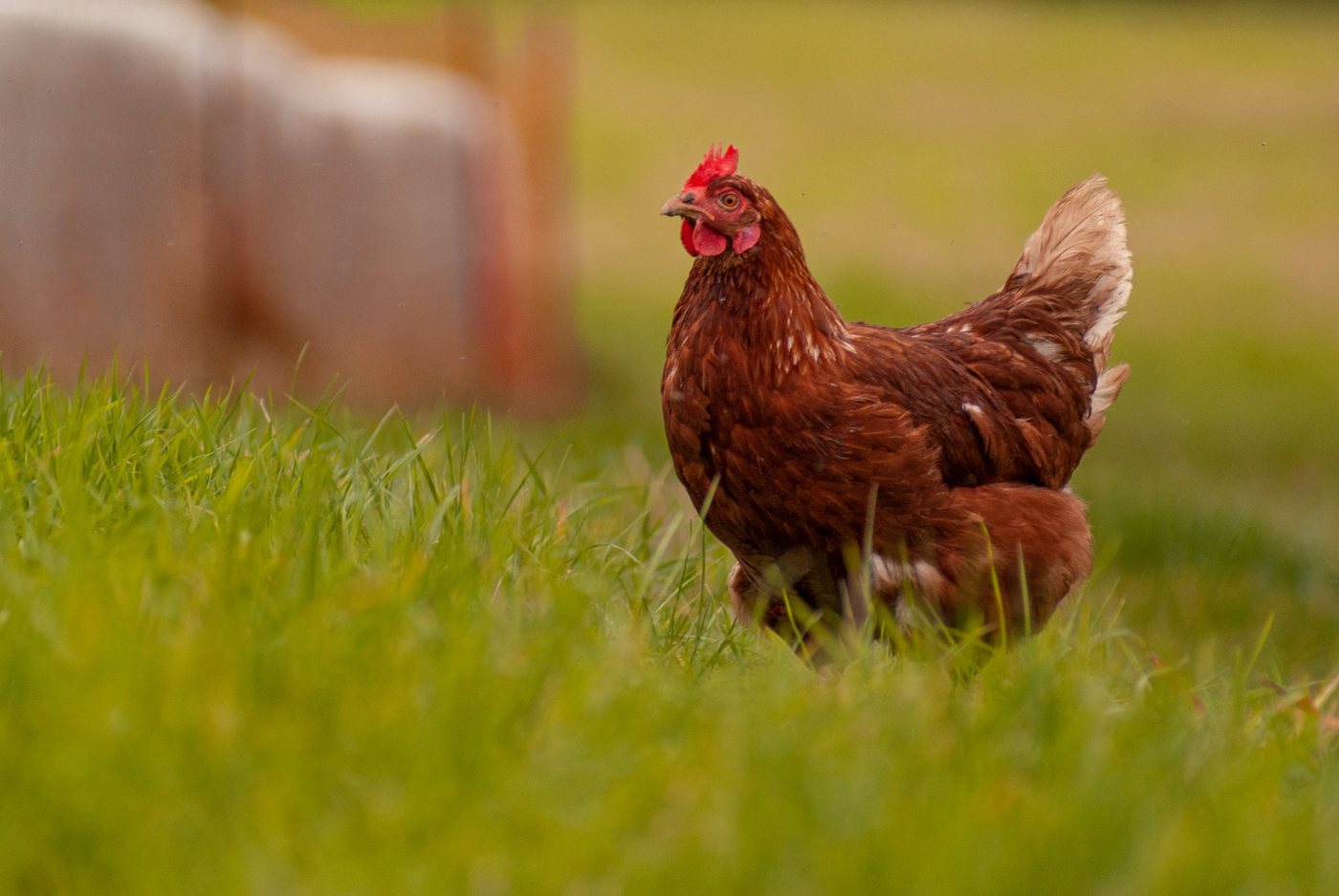
The People’s Farmer association wrote to First Deputy Agriculture Minister Oksana Lut, asking for the ban on unrestricted outdoor access for poultry to be removed from the draft new veterinary rules. Rossiyskaya Gazeta has a copy of the letter.
Farmers fear that tighter rules could reduce poultry production. The Agriculture Ministry promises to examine the issue thoroughly.
‘Small and large farms, as well as enterprises, shall use floor housing systems, with or without runs, or cage housing systems for poultry. Keeping birds with access to unrestricted outdoor ranges is not permitted. Outdoor access for birds kept at enterprises is not permitted,’ the document states.
In effect, this wording rules out the possibility of raising chickens on small farms and private household farms.
The association estimates that a significant number of peasant farms use free-range poultry keeping, while it is the main method of keeping poultry on private household farms.
‘The popularity of this method among small farms is primarily due to its relatively low costs and the greater demand for poultry products from birds kept in natural conditions,’ the letter explains.
Banning free-range access would therefore increase the financial burden on producers and risk reducing poultry production. Adopting the new rules would also make organic poultry production impossible, since free-range access is one of the specific requirements for organic products, the letter’s authors conclude.
Rosselkhoznadzor has repeatedly stated that free-range access is a risk factor for infection in domestic poultry: this unrestricted housing inevitably brings birds into contact with migratory and synanthropic birds, which live alongside humans and carry dangerous diseases. In particular, the widespread practice of free-range poultry keeping is precisely why avian influenza has spread extensively in Europe in recent years.
Industry experts previously estimated that private household farms and farmers account for around 18% of egg production and around 8% of poultry meat production in Russia. Egg production in Russia has already been declining for at least six months, while poultry meat production also showed a slight decrease for 2023 as a whole. One reason is the adverse animal disease situation. This was among the factors that, against a backdrop of increased demand for affordable protein, caused egg prices to jump by more than 60% last year and chicken prices by more than a quarter.
Poultry diseases, including avian influenza, must be tackled, but it is essential to strike a balance between such measures and producers’ economic interests, the People’s Farmer association’s letter stresses.
The Agriculture Ministry confirmed that it is preparing new veterinary rules for keeping farm birds. However, the ministry promised that ‘decisions on the wording will be made jointly with industry associations in a balanced manner, taking all risks into account.’